Colophon
How this zine was pasted
everything you need to counterfeit this exact mess, deliberately
FULL DISCLOSURE01 The Concept
PASTEUP treats a marketing agency's story like a risograph fanzine spread: every claim is a paper scrap, every promise gets a rubber stamp, and the whole thing looks like it was glued down at 2 a.m. — but isn't. Underneath the chaos sits a strict 12-column Swiss grid. Rotations never exceed ±4°. Whitespace is generous. Chaos is the flavor; the grid is the spine.
The subject is Nomadic Owls — "Obsessively Curious", full-stack development, digital marketing, and technical SEO — rendered as if the agency photocopied itself into a zine and mailed it to the Internet.
02 Design System
Riso inks — two drums, one paper
- #F5EFE3 warm paper
- #FF48B0 fluoro pink
- #00838A riso teal
- pink × teal, multiplied = overprint
Real risograph printing lays each ink down in a separate pass, and where fluoro pink crosses teal
the inks physically multiply into a dark plum. Here that's
mix-blend-mode: multiply — every two-ink headline is the teal layer plus an
absolutely-positioned pink duplicate multiplied on top.
Type — three voices
Anton is the condensed poster shout (headlines, all caps). Caveat is the marker-pen annotation scribbled in the margins. Courier Prime is the typewriter that filled in every label, description, and this very colophon. All three self-hosted via @fontsource — no CDN calls.
The hidden grid
Every section is a grid-template-columns: repeat(12, 1fr) container, max 1240px.
Scraps snap to columns first, then get a ±1–4° rotation and a small offset. Torn SVG edges divide
sections; halftone dot fields (CSS radial-gradient) and an SVG-turbulence paper grain keep the
print texture alive at every scale.
03 Tech & Motion
Stack. Astro 5, static output, hand-written CSS, one vanilla JS module. No frameworks, no runtime dependencies.
The overprint trick. Two-ink headlines start misregistered — the pink pass offset
3px from the teal, exactly like a riso drum slipping. A scroll listener watches the hero; once you
scroll past a threshold the pink layer snaps into register with a springy cubic-bezier. With
prefers-reduced-motion, everything ships pre-registered.
Stamp mechanics. Rubber stamps ("SENT ✓", "APPROVED") are IntersectionObserver targets. Entering the viewport adds a class that fires a 320ms thunk: scale 2.3 → 0.94 → 1 with an overshooting bezier, plus an SVG-turbulence mask so the ink looks unevenly pressed. Hovering a flyer re-slams its stamp.
Drag system. The stickers are Pointer Events draggables: setPointerCapture, live velocity sampling, and a decaying inertia loop (×0.92 per frame) on release. Grabbing shuffles z-index. They're keyboard-operable too — focus one and nudge it with arrow keys, Home resets, and a "reset stickers" button undoes the whole mess. Focus is never trapped; reduced-motion keeps drag but drops inertia.
Paper trail. Clicking bare paper drops a tiny pink/teal paper bit where you clicked — max five live at once, oldest fades first.
04 AI Assets
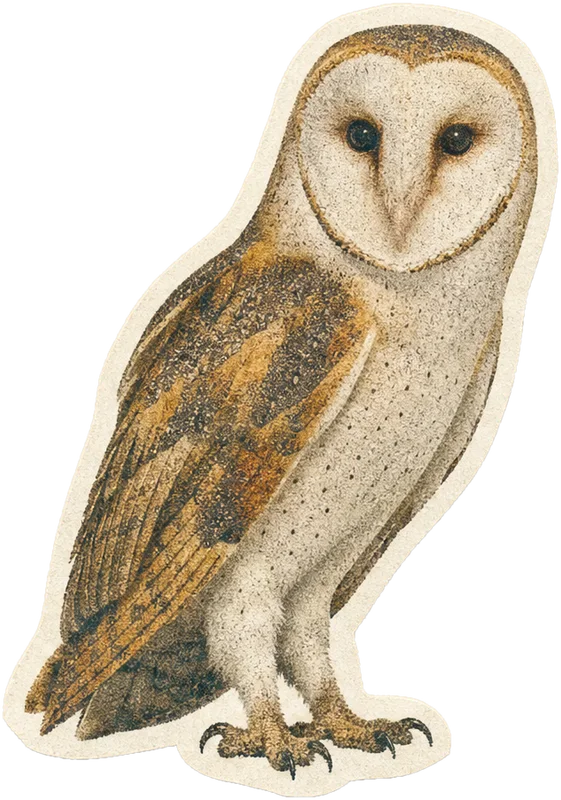
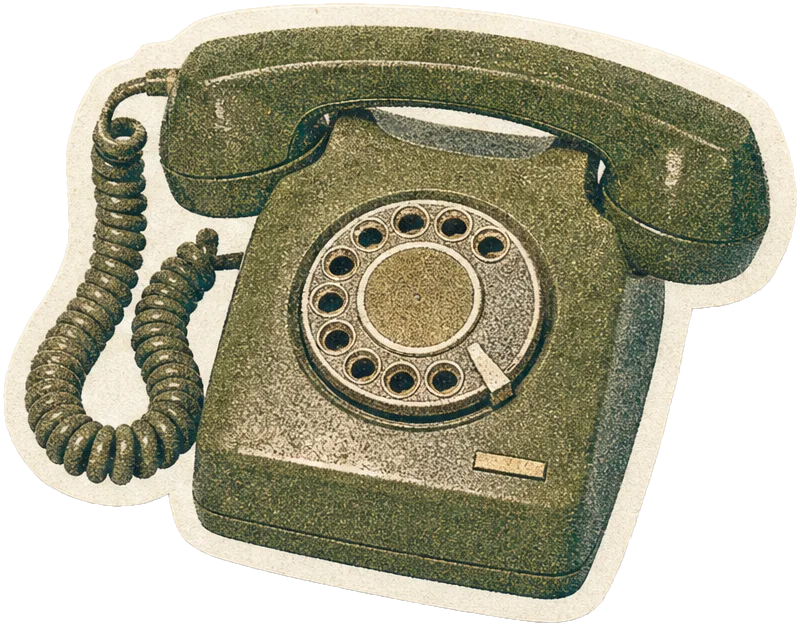
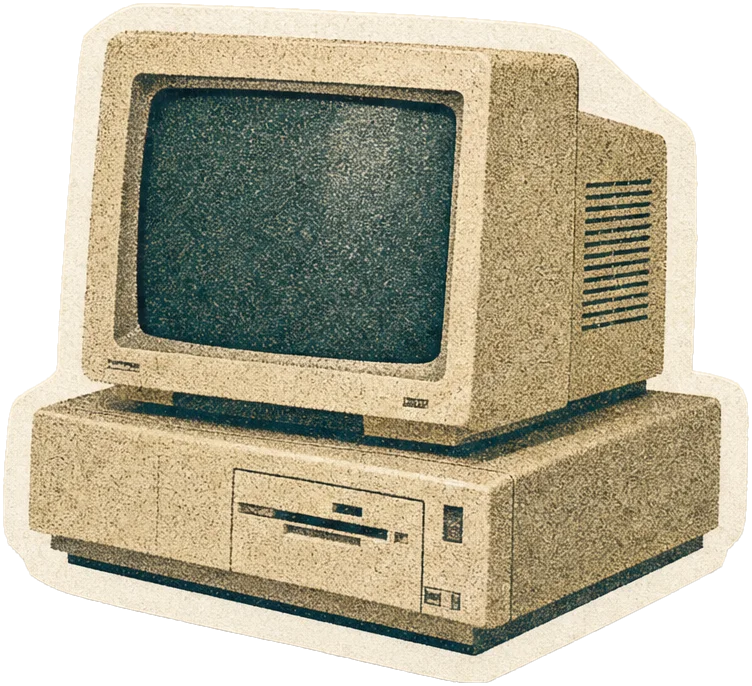
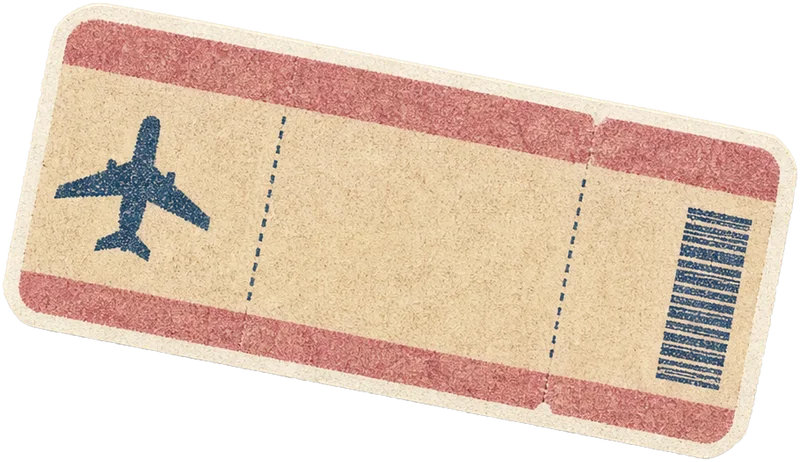
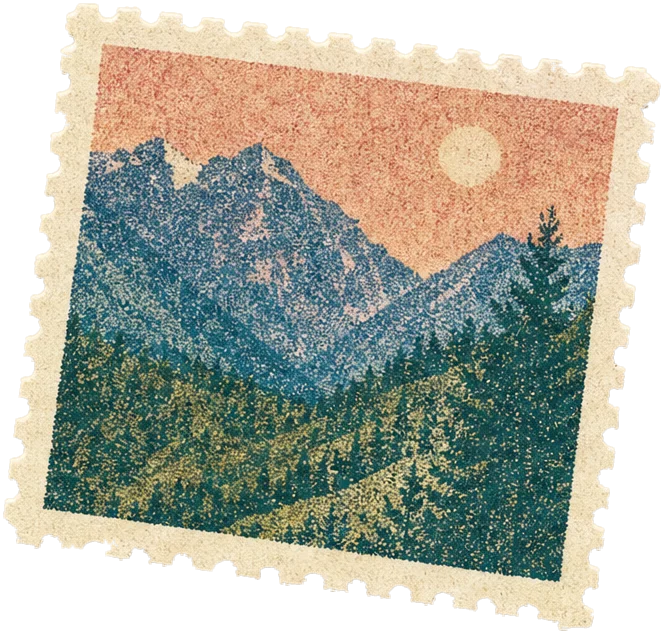
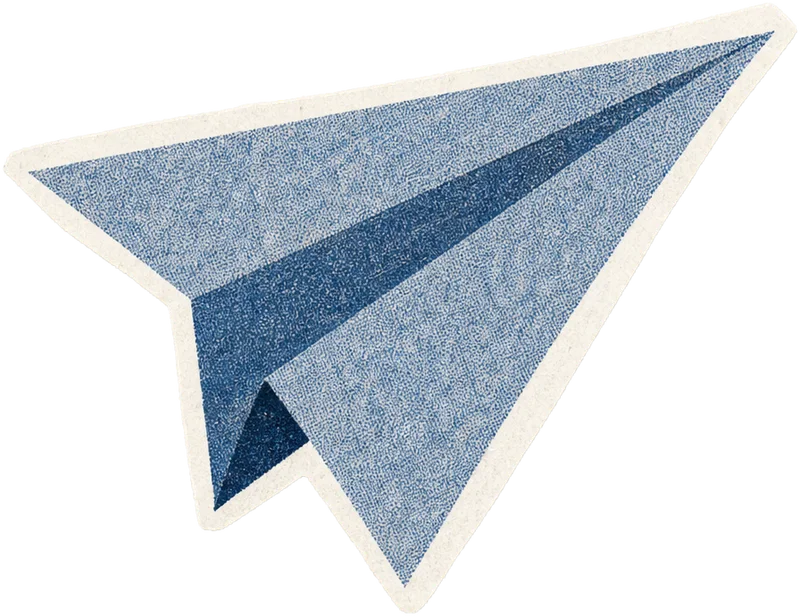
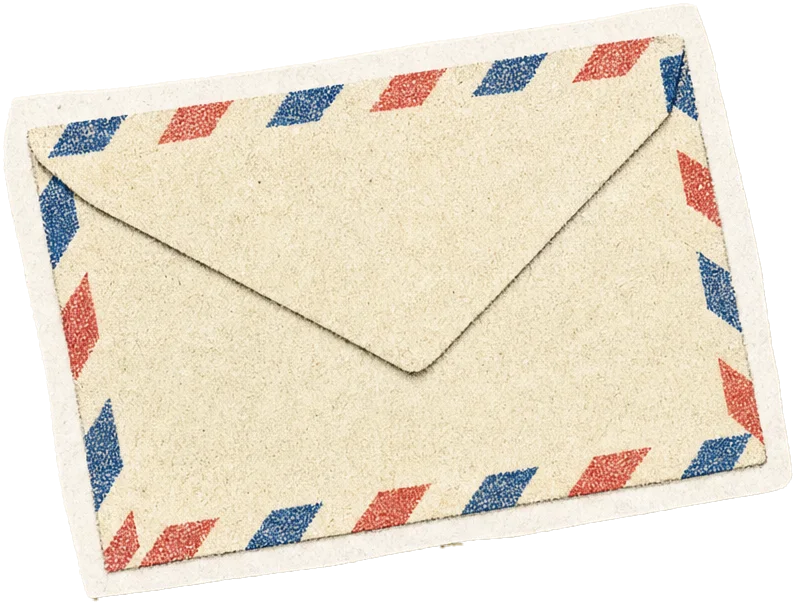
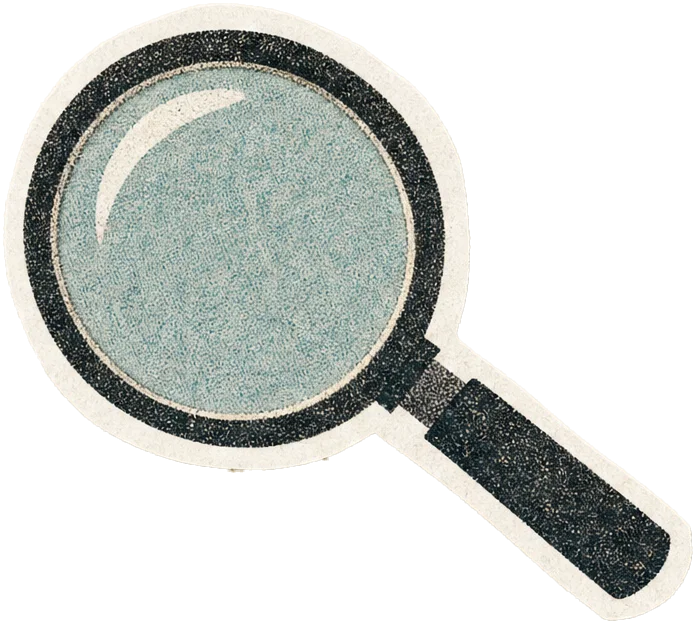
All eleven cutouts come from two sheets generated with the Higgsfield CLI using GPT Image 2 (quality high, 2K, aspect 4:3). The exact prompts, verbatim:
Flat-lay sheet of separate paper collage cutouts with thick white sticker borders, each isolated on a plain warm paper background with space between: a photo cutout of a barn owl, a retro rotary telephone, a vintage CRT computer, a paper boarding pass, a postage stamp — risograph zine aesthetic, slightly grainy print texture, no text, no letters, no watermark
Flat-lay sheet of separate paper collage cutouts with thick white sticker borders, each isolated on a plain warm paper background with space between: a paper airplane, an airmail envelope, a magnifying glass, a lightning bolt shape cut from pink paper, scissors, a cassette tape — risograph zine aesthetic, slightly grainy print texture, no text, no letters, no watermark
CLI flow. Each prompt ran once through
higgsfield generate --model gpt_image_2 --aspect-ratio 4:3 --quality high, asking for
objects "each isolated with space between" and "thick white sticker borders" so they could be cut
apart programmatically.
Cropping. A Node + sharp script cuts the sheets into die-cut stickers: sample the paper color from each crop's border ring (median), flood-fill background from the edges so enclosed cream faces survive, peel drop-shadows (darker-than-paper pixels with matching chroma), keep the largest connected component to drop neighboring slivers, feather the alpha 1px, and export ≤800px WebP with transparency. Eleven stickers, zero manual masking.
05 How to Reproduce
- Scaffold Astro 5 (static). Add @fontsource/anton, @fontsource/caveat, @fontsource/courier-prime.
- Generate the two cutout sheets with the prompts above; crop them with the flood-fill sharp pipeline into transparent WebP stickers.
- Set the three tokens — paper #F5EFE3, pink #FF48B0, teal #00838A — and forbid every other hue.
- Build every headline twice: teal base + pink duplicate,
mix-blend-mode: multiply, offset by a --misreg custom property that collapses to 0 on scroll. - Lay each section on a 12-column grid, then rotate scraps ±1–4°. Never more. The restraint is the trick.
- Stamps via IntersectionObserver + an overshoot bezier; stickers via Pointer Events + inertia; torn edges via seeded-random SVG paths.
- Honor prefers-reduced-motion: pre-stamp the stamps, pre-register the inks, keep drag but drop inertia.